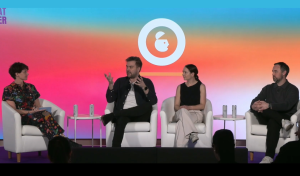
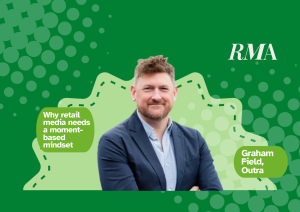
Retail media is booming, but for FMCG brands like Arla, it’s as much about structure, strategy and measurement as it is about shiny new formats. Justin Pearse, Editor-in-Chief of Retail Media Age, sat down with Rob Edwards, Head of Media and Digital at Arla Foods, to explore how the dairy giant is navigating the complex world of retail media, and why true omnichannel planning is still a work in progress.
How did Arla’s journey into retail media begin?
It really kicked off about two and a half years ago, though we’ve been buying what you’d call “retail media” for some time, especially in store. But it was during a strategic side project with my VP of Marketing that I started to really dig into the space. We were already strong in annual brand planning and in-year activation, but we needed to understand what lay beyond that. What was coming next?
That meant immersing myself in industry groups, particularly ISBA, which has been doing some great work. Since then, our focus has shifted massively. This year, around 60% of our above-the-line spend is digital, compared to 20% when I joined six years ago.
“Retail media is just media, and that’s it for me. It’s about the right content, the right moment, the right consumer.”
Retail media can often sit between multiple teams. How is Arla structured to make it work?
That’s been a major challenge. We’ve worked hard to align what were previously three separate budgets and briefs per brand into one integrated plan. No one had done that at Arla before, not even globally. We stress-tested our media agency’s planning tools and even paid for a retail media study to be incorporated into CCS.
We have dedicated shopper marketing managers aligned to retailers, and a separate e-commerce team. Our role is to support both, without stepping on toes. Last year, we started trialling brand commerce and performance marketing as a single strategy, and it’s been a big shift.
What’s the ambition longer term?
The goal is true omnichannel planning. One budget, one plan. But to do that, we need robust measurement, consistency in data, and alignment with retail partners. We’ve already seen huge gains from collaboration internally, but scaling that further requires change externally too.
“If I’m going to invest in activation, I need to know where the money’s going, what it’s doing, and what I should do next.”
You mentioned some frustration around retail media measurement. What’s the issue?
The dream of full-funnel, 360° retail media still feels embryonic. Retailers are sitting on incredibly powerful data, but many still behave more like retailers, not publishers. That’s understandable, they’re retailers first, but it creates barriers.
For example, we might want to activate campaigns using retailer data, but we can’t track incremental sales reliably. The data isn’t there, or we’re told to buy direct instead. It’s not truly omnichannel if I can’t prove effectiveness unless I go exclusively through a single retailer.
“We’re being sold the dream of 360 marketing, but right now, the data to back that up just isn’t accessible.”
What needs to happen to fix this?
There’s a long way to go. Retailers need to think more like media owners, with consistent creative specifications, shared measurement principles, and transparency on performance. Right now, every retailer is different. We’ve seen this before in publishing, when newspapers first launched digital platforms, there was chaos. Over time, they adopted common standards. That’s what we need here.
There’s also complexity with JBPs. Media spend is often bundled into wider commercial agreements, which muddies accountability and performance measurement. Ideally, media should sit outside of these deals, with its own clear KPIs.
How important is creativity in retail media today?
Creativity is the next frontier, both digital and physical. But we need to be mindful. Just because we can run a flashy end-of-aisle digital campaign doesn’t mean we should. Sometimes, simple functional messaging converts better.
The context is key. In-store, people are often on a mission, they’re shopping, not browsing. So, creative should reflect that. That said, technology is unlocking exciting possibilities. We’re seeing dynamic formats in fridges that adjust creative based on who’s walking by. That kind of innovation is exciting, but again, only if it works.
Are you applying retail media data beyond just onsite or in-store?
Yes, we’ve tested retail data integration into CTV and out-of-home. With Clear Channel, for instance, we link campaigns to retail footprints at Asda and Sainsbury’s. We’re also exploring how that data can fuel better planning across channels.
Are we seeing shifts in consumer behavior that reflect the rise of retail media?
Definitely. One of the biggest shifts is in loyalty, or the lack of it. I call it “loyalty-less” behavior. People have multiple cards, apps and accounts.
They’re savvier with their data and expect value in return. That changes how we think about campaigns, especially around value exchange.
What kind of skills and talent are you looking for now?
We’re seeing more media professionals being hired by retailers. It started with performance roles, PPC, CitrusAd, Criteo, but it’s expanding. They need people who understand strategy, planning, reporting and media language.
Internally, we’re looking for people who can span traditional brand comms, retail media, ecom, out-of-home, and CTV. It’s not enough to be a brand planner anymore. You need to understand the full funnel. We’re actively recruiting for those hybrid roles right now.
Is structural change inevitable?
Absolutely. I believe we’ll eventually see centres of excellence within brands, consolidating media expertise. It might take time, but the dominoes are already falling. As retailers evolve, so will brands. Collaboration will win, but structure and consistency are the building blocks.