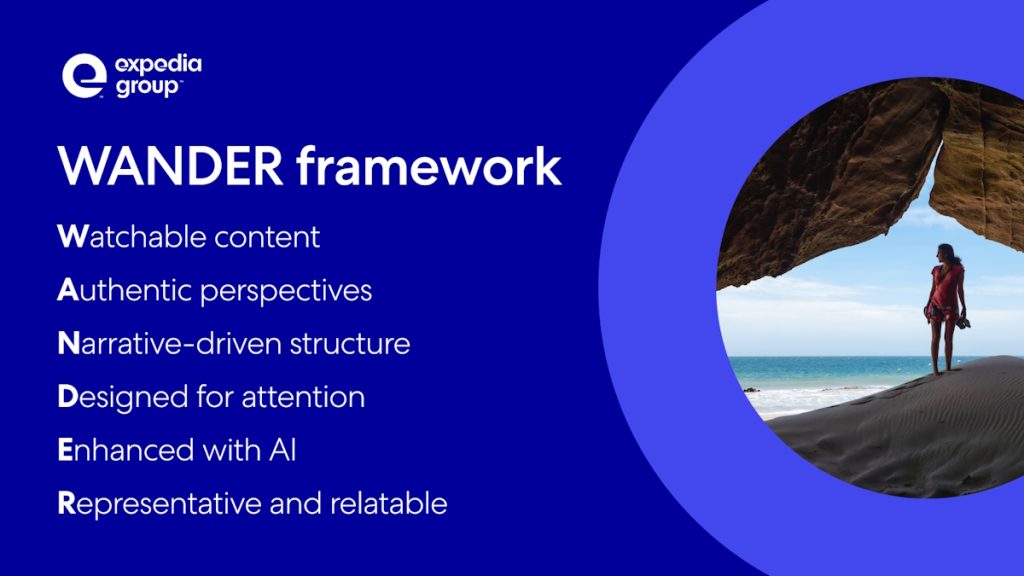
Transparency and video are two of the key factors in sparking the feeling of wanderlust in the world of artificial intelligence (AI), according to research from Expedia’s travel media network.
Expedia Group Advertising’s ‘The Science of Wanderlust’ reveals that video influences nearly three times more than static images, with 71% of travellers saying video influenced their travel decisions versus just 24% for static images.
Within this content, travellers expect to see transparency (52%), clarity and confidence (46%), and authenticity (45%), as well as a clear narrative throughout. This narrative should be portrayed through scenes of two to nine seconds, enabling the consumer to optimally see and absorb the content.
Of course, in this day and age, travellers expect to see AI used and, interestingly, 41% of them view AI-generated content as useful when combined with human input. Meanwhile, 16% of travellers don’t mind how the content is created as long as it’s useful.
Representation also plays a significant part in the effectiveness of travel content, with 34% saying inclusive messaging made them trust a travel brand.
“In a world flooded with travel content, knowing what truly moves travellers from dreaming to booking is a game-changer for brands operating within the highly fragmented travel media ecosystem”, said Rob Torres, Senior Vice President at Expedia Group Advertising. “Our Science of Wanderlust research reveals the six key ingredients for creating effective travel content, including that video influences booking decisions nearly three times more than static images – providing travel marketers with a clear roadmap that both informs and inspires action.”
Diving more deeply into the AI factors surrounding travel media, 64% of travellers have noticed a travel ad that they believe was generated by AI. And, though they see the potential usefulness of AI-generated content alongside human input, they are most excited about the use of AI in smarter deals and budgeting tools (24%) and personalised trip planning (19%).
However, travellers were found to experience negative emotions around fully AI-generated influencer and landscapes, with viewers expressing unease, scepticism, and annoyance.
“With so much noise in the industry about AI, privacy, and personalisation, we wanted to understand how travellers truly feel about AI and its potential uses in the travel booking journey,” said Torres. “The results show the huge opportunities available to marketers in combining AI with human input when creating content, and give the industry a new playbook for earning trust, keeping attention, and driving bookings.”