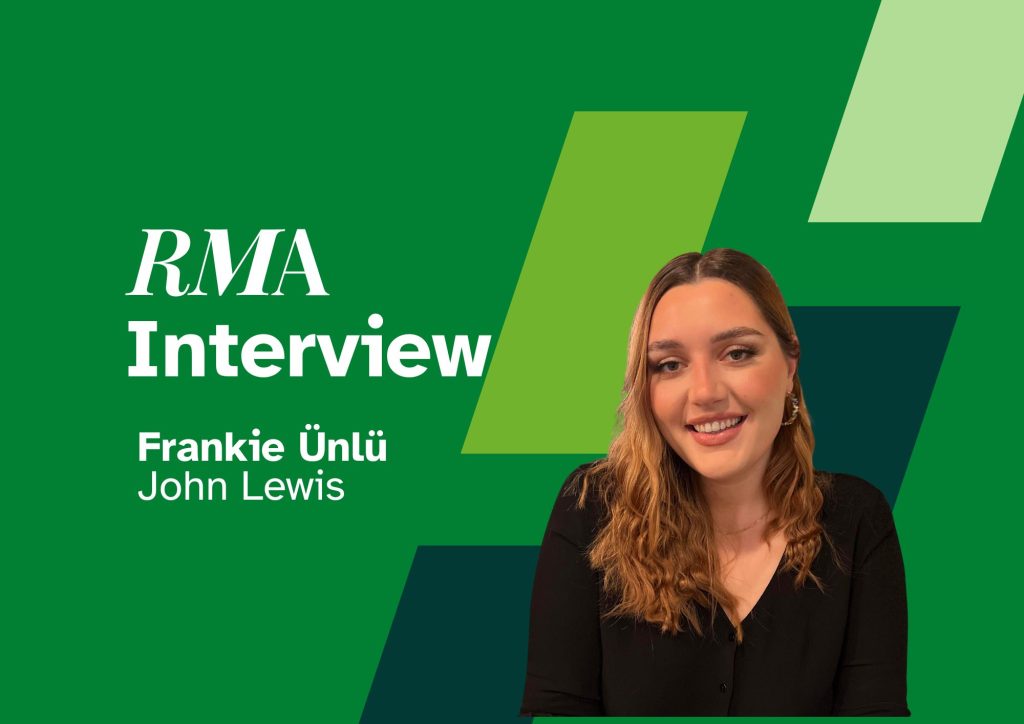
Retail Media Age sat down with Frankie Ünlü, Senior Retail Media and Planning Manager for Beauty at John Lewis, who is responsible for driving retail media strategy, planning and brand partnerships across one of the retailer’s most dynamic categories.
She spoke about how beauty’s in-store emphasis impacts retail media, the important role played by creative and experiential activity, and how John Lewis ensures that retail media adds value to the customer experience.
What does your role involve within John Lewis’ retail media team?
I sit within the beauty category, where I’ve been for nearly two years, and my role is to ensure brands are fully set up with media planning support. I still work directly on some campaigns myself, which helps me stay close to the details and understand what is and isn’t working.
At a broader level, we are responsible for driving revenue through retail media, activating campaigns and supporting launches, while also feeding into wider strategy. A big part of my job is connecting brand activity with the central category marketing team at John Lewis, ensuring everything aligns with how we want to present beauty to customers and how we compete in the market.
How are brands’ expectations of retail media evolving?
We are seeing a clear shift, with more brands prioritising retail media over traditional marketing channels. The key driver is first-party data. We can target customers based on real behaviours, for example someone who bought a fragrance a year ago and is likely ready to repurchase.
That level of precision means less wasted spend and stronger results. Retail media also delivers across the full funnel, but what really stands out is its ability to drive conversion. That is something many traditional channels still struggle to demonstrate in the same way.
What opportunities are available to brands across your media ecosystem?
There is a huge range of options. Onsite, brands can activate across app, desktop and push notifications, ensuring visibility at every stage of the browsing journey. We also offer sponsored products and banners, so brands can appear when customers are already in a purchase mindset.
Moving into consideration, CRM is incredibly powerful. Our loyalty scheme allows us to engage customers with personalised offers, drive traffic into stores and even support sampling. Our in order sampling proposition is particularly popular, where brands provide products that we place directly into relevant customer orders. It is a simple but highly effective way to get products into customers’ hands.
We also see strong engagement through email, where customers often move from consideration, such as wish listing, through to purchase. Beyond our owned channels, we work with external partners and offer a wide range of offsite and in store media opportunities.
Why is in-store media so important in beauty?
Beauty is unique within John Lewis because around 60% of sales still happen in-store. That naturally shapes how brands invest.
We have significantly evolved our in-store proposition, particularly through digital screens. These allow creative to be consistent across physical and digital environments, meaning the same assets can run in store, on social platforms and across display. It creates a seamless journey for the customer.
In store also allows us to reach both high-intent shoppers and those who may not have originally come in for beauty. Someone visiting to buy a laptop may still be influenced to purchase a fragrance, particularly around key gifting moments.
How important is creativity in making retail media effective?
Creativity is becoming increasingly important. We know that video drives longer dwell time compared to static formats, particularly in-store.
At the same time, brands are using retail media not just for conversion but also for awareness. In a department store environment, there is an opportunity to inspire customers who may not have been actively shopping the category.
Experiential activity is another key area. We have seen brands create in store activations that generate strong engagement and, importantly, a digital halo effect. Customers share these experiences on social media, which extends the reach far beyond the store without additional media spend.
How do you ensure retail media enhances rather than disrupts the customer experience?
We are very conscious of not overwhelming customers. Capacity is tightly controlled across our channels. For example, we limit the number of brand funded emails we send each month and closely monitor metrics like unsubscribe rates.
If something is not resonating, we act quickly and adjust. It’s about maintaining a balance, ensuring that retail media adds value to the customer journey rather than interrupting it.