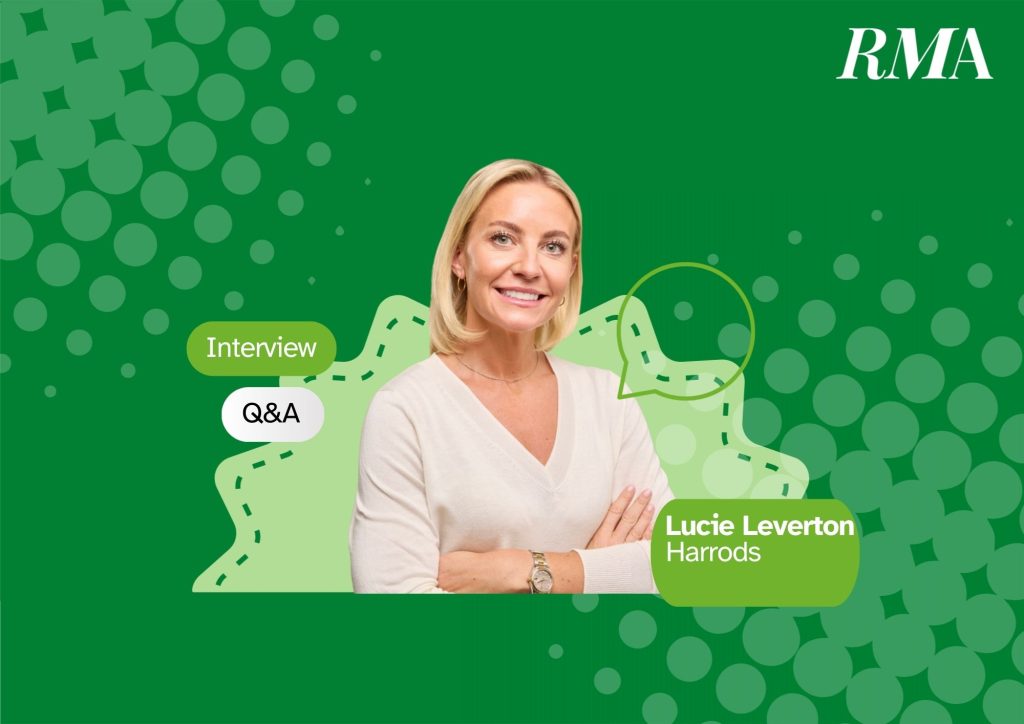
Harrods’ retail media proposition is unlike anything else in the market. For Lucie Leverton, Head of Partnerships at Harrods, that difference is both the opportunity and the challenge.
Justin Pearse, Retail Media Age Editor-in-Chief, spoke to Leverton about first-party data, ultra-high-net-worth customers, and why protecting the Harrods brand sometimes means moving more slowly than the wider market.
When you joined Harrods, where was the retail media proposition at, and how did you start to evolve it?
When I joined five years ago, we were at the very start of our journey; in fact we did not even have an ad server. Traditionally, we rented in-store space, had the magazine and social channels, but everything was fairly basic. Brands could access those channels to reach our audience, but the targeting was minimal, and we did not have the infrastructure for more sophisticated campaigns.
The first job was really about putting the plumbing in place. We launched ad placements on the website, introduced paid social with basic targeting, and slowly began to build a more integrated offering.
At the time, it felt like a huge step, getting everyone to understand that this was just fundamental digital marketing infrastructure, but it set the stage for everything we have been able to achieve since.
How has your data capability evolved, and how do you use it to understand your customers?
Now, we have a fully integrated CRM system built around a single view of the customer. Two million people are opted into our rewards programme, which gives us a rich, consented first-party data set. It allows us to know where a customer lives, if she has had her hair done in Harrods, has just bought a house, is engaging with our interior design services, and any family or personal milestones.
We can understand the breadth of their relationship with the store, from accessories to children’s clothes to planning a wedding. That level of insight is unique in luxury retail.
Originally, we created five personas to help brands understand our customer types, including local affluent customers, VIPs who spend upwards of £1m a year, jet setters with dual residences, aspirational shoppers, and self-rewarders who shop occasionally. It gave us a framework for segmentation and targeting. Now, our capabilities are far more granular.
We can segment by actual shopping behaviour, spend patterns, and even movement around London. Brands can be very precise about who they want to reach and what their objectives are, and we can reach customers across Meta, Google, TikTok, our own channels, and even offsite via Criteo.
How do you work with brands and agencies, and how does the approach differ for luxury audiences?
We have very close, collaborative relationships with the brands we stock. We see ourselves as partners, our goals are aligned with theirs to drive trade and enhance the customer experience. Criteo and offsite targeting capabilities across Meta and Google have opened new opportunities, allowing us to have conversations with agencies and approach brands with full-funnel plans, rather than just bottom-of-funnel campaigns. It is a natural extension of our in-house relationships, not a replacement.
Luxury customers are different from the mass market. Their purchase cycles are longer, consideration phases more deliberate, and personalisation is essential. Volume and frequency of ad placements do not drive engagement; it is about ensuring every touchpoint feels bespoke, relevant, and reflective of the Harrods experience.
That is why we manage most campaigns directly rather than sharing our data broadly: these customers are ultra high net worth individuals, not generic demographics.
How do you balance creative placements with revenue generation?
We are very protective of the Harrods brand. The website is subtle and curated, and we will not compromise the visual or experiential integrity of our digital platforms. Co-branded content works best, where the creative feels like a natural extension of our brand rather than a standard display ad.
Personalisation is central. Customers increasingly expect that the content they see online reflects their preferences and interactions with us. It is not just about pushing products, it is about anticipating what they might want and providing it in a way that feels seamless across channels.
How does digital retail media work alongside in-store experiences?
The integration works brilliantly because around 87% of our transactions go through the rewards card, online or in-store, so we can track customer journeys end-to-end. Even for high-value items like jewellery or watches, customers may interact online first, but ultimately they will come into the boutique to make a purchase.
Our digital and physical touchpoints complement each other, and we can measure trade outcomes while maintaining the high-touch, luxury experience our customers expect.
What excites you most about the future of retail media at Harrods?
The biggest opportunity is engaging customers beyond the Harrods ecosystem. Historically, our interactions began when customers walked through the door. Now, we can reach them wherever they are in a personalised way, offering products and experiences they did not know they needed while driving trade.
For us, the goal is meaningful engagement, not just impressions, and the data and technology we have now make that possible.
What does your role involve day-to-day, and what drew you to retail media?
My role is incredibly varied. One day I might be discussing scaffolding for a Christmas store takeover; the next, I am helping a brand sell a £500 face cream, or advising on rare art pieces or luxury property. We stock thousands of brands, so every day brings something different.
I came from publishing, having spent seven years at the Sunday Times working on the transition from print to paid-for digital products. Moving into retail media allowed me to see the full ROI picture and leverage my interest in data in a way publishing never could. Seeing campaigns work end-to-end, from insight to conversion, is hugely rewarding.
Are there campaigns you are particularly proud of?
The Burberry store takeover in February 2023 was a milestone. They transformed Harrods with a bold blue theme, used first-party data in ways we had never done before, and experimented with connected TV campaigns.
The results were incredible – sales, engagement, and brand partnership all aligned. It demonstrated the power of combining creativity, data, and full-funnel thinking in a luxury context.
Can you sum up Harrods’ overall approach to retail media?
Our approach is different because of our unique customers, deep data, and the Harrods brand.
We may move more slowly than the mass market, but it is deliberate, protecting what makes our offering so special. Retail media at Harrods is not just about impressions; it is about highly personalised, measurable engagement that respects and enhances the luxury experience.
Read more of RMA’s interviews with key figures in retail media.